



Choosing a Flour Mill for Maize, Cassava and Sorghum
A flour mill is one of the best small-business machines in rural Rwanda: every household needs flour, and milling services earn money every day. But choosing the wrong mill leads to low output, poor flour and high electricity bills. Here is how to choose.
1. Match the mill to the grain
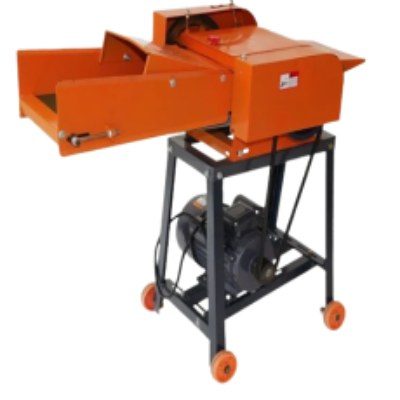
- Maize (kawunga): hammer mills give fast output. Choose the screen size for the fineness your customers want.
- Cassava: dried cassava chips mill well in a hammer mill. They must be well dried first.
- Sorghum, millet, soybean: hammer mills work well. Oily seeds such as soybean may need a coarser screen to avoid clogging.
2. Capacity and motor size
Estimate how many kilograms per day you will mill, then choose a mill that can do it in about 6–8 hours. A bigger motor gives more output, but check the power supply first. Large mills usually need a three-phase connection. Where only single-phase power is available, choose a mill designed for it.
3. Build quality to check
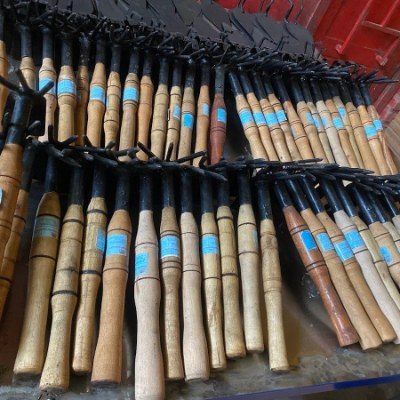
- Hardened, reversible hammers
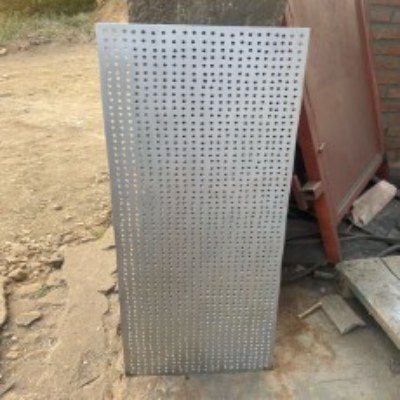
- Easy-change screens in several sizes
- Balanced rotor for low vibration
- Heavy steel frame and correct belt guards
- A cyclone or bag to collect flour and reduce dust
4. Running costs
Electricity, hammers, screens and belts are the main running costs. A well-sized mill uses less energy per kilogram than an oversized mill running half-empty.
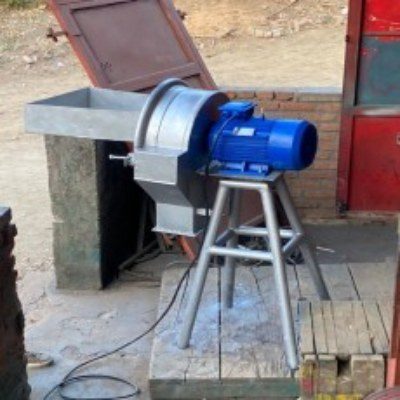
URUGERO Mill by A-Z
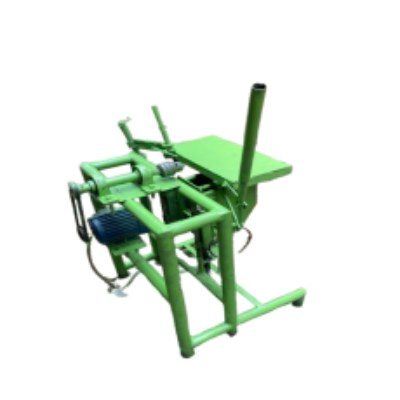
The URUGERO Mill is designed and made in Rwanda by A-Z Manufacturing for maize, cassava and other grains. We install it, train the operator and supply spare hammers and screens. See the product page for the current special price.

 Live Chat